

A breach that stopped short of the vault
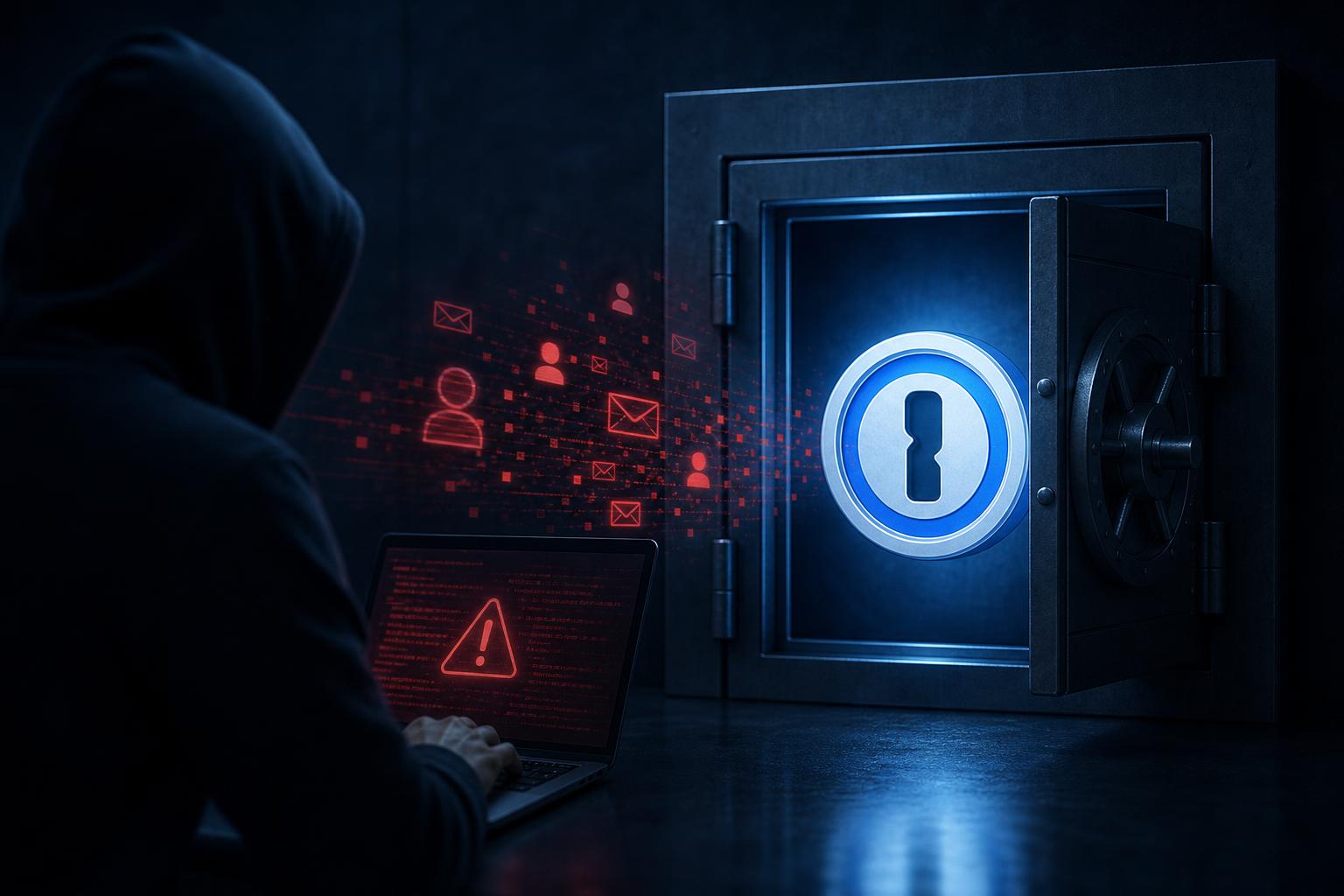
1Password, one of the best-known password managers, has confirmed that a hacker stole some customers’ names and email addresses after getting into its backend systems. The company says passwords and the contents of customer vaults were not exposed. The theft still creates a real risk of phishing, and the company has said it is unclear how many users are affected.
For a service built on keeping secrets safe, any breach is unsettling. The details of this one are reassuring in some ways and worrying in others, and they show how attackers can cause trouble even when the most sensitive data stays locked away.
What happened
According to the company’s disclosure, 1Password began investigating on November 19, after an attacker gained access to an employee’s corporate GitHub account. GitHub is a platform where companies store and manage their software code.
Using the compromised account, the hacker reached 1Password’s source code and pushed malicious code to backend services, then used it to download customer account information from internal systems, as detailed reports of the incident describe it. Coverage characterizes the breach as limited in scope, affecting only some customer records rather than every account.
What the hacker got, and what they didn’t
The stolen records included customer names and the email addresses people use to sign in. Security reporting says the data also included public keys and account and user identifiers. Some reports add non-secret metadata, such as account creation dates and last login timestamps.
The data also included tokens from certain emailed invitation or account recovery links. 1Password says these tokens can’t unlock an account on their own. An attacker would also need a single-sign-on method or a six-digit numeric code sent to the user’s email.
| Exposed | Not exposed |
|---|---|
| Customer names | Account passwords |
| Sign-in email addresses | Vault contents |
| Public keys | Encryption keys protecting vaults |
| Account and user identifiers | Secret Keys |
| Tokens from some invitation or recovery links | 1Password apps and browser extensions |
1Password said it has found no evidence that vault data or protected secrets were available to the attacker. PCMag’s coverage likewise stresses that vault data remains safe.
Why leaked names and emails still matter
A name and an email address may sound harmless, but they are the raw material for convincing scams. Someone who knows you use 1Password can write a fake message that looks real. Those messages are often built to trick you into handing over the very credentials the breach did not reach.
- Phishing risk: Fraudulent emails, texts or calls may mention 1Password invitations or account recovery attempts, which fits the kind of tokens that were taken.
- Targeted social engineering: Attackers can use real customer details to make their approach more believable.
- Account-level fraud: Even with vaults secure, customers may still face attempts to take over or abuse their accounts.
The incident also shows how a single compromised employee account can open a path into internal systems. As TechCrunch noted, the company’s customer passwords stayed safe, but the intruders still got inside.
How 1Password responded
The company says it has taken several steps since discovering the breach:
- Disabled the affected GitHub account.
- Rotated internal credentials that the breach compromised.
- Added a new detection system aimed at catching similar attacks.
- Lengthened the codes it emails to users from six digits to 10 alphanumeric characters, making them harder to guess.
What customers should do
1Password’s main advice concerns phishing. The company says it will never ask for your account password or Secret Key, and you should enter that information only in the official 1Password app or website. Treat any email, text or phone call that mentions an invitation or account recovery you didn’t request as suspect, and don’t enter credentials through links in unexpected messages.
For a plain-language rundown of what was and wasn’t touched, MacRumors has a summary.
The bottom line
The breach appears to have hit the edges of 1Password’s systems rather than the core protections around customers’ vaults. That is good news, and it shows that a password manager’s design can limit the damage when something goes wrong. But the stolen names, emails and identifiers give scammers something to work with. The main danger now is a convincing fake message, so customers should stay alert even though their passwords were not exposed.
